

If you’ve noticed water droplets on your windows or walls, you’re probably wondering what’s causing that condensation on your walls and windows. While it may seem harmless at first, persistent condensation can lead to bigger problems, such as mold growth and damage to paint or drywall. Innovative Construction Solutions has some possible reasons this is happening.
High Indoor Humidity Levels
One of the most common causes of condensation is high indoor humidity. Humidity refers to the amount of moisture in the air, and homes with high humidity levels are more likely to experience condensation. This can happen for several reasons: cooking, showering, doing laundry or even just breathing. In poorly ventilated spaces, this moisture doesn’t have anywhere to go and settles on colder surfaces like windows and walls.
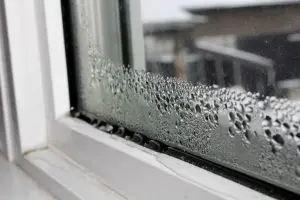
You might notice condensation forming more often in bathrooms or kitchens where steam is produced, especially if you don’t use an exhaust fan or open a window to let the moisture escape. The higher the humidity, the more likely condensation will occur, and in areas where humidity is especially high, such as basements, this can be a major concern.
Poor Ventilation
Another factor that contributes to condensation is poor ventilation. Without adequate airflow, moist air has nowhere to escape, and it can settle on the surfaces in your home. Homes that are sealed tightly to improve energy efficiency can sometimes trap humidity inside, leading to condensation. This is especially true during colder months when people are more likely to keep windows and doors shut to keep the warmth in.
If your home has poor ventilation, you may also experience stuffy air, musty smells and even mold growth in addition to condensation. Good ventilation, including using exhaust fans in areas like the bathroom and kitchen, is key to maintaining a healthy indoor environment. If your home doesn’t have enough natural airflow, consider adding an air exchange system or using dehumidifiers to help control moisture.
Inadequate Insulation or Sealing
Another common cause of condensation, especially on walls, is inadequate insulation or sealing. If your walls or windows aren’t properly insulated, they can become too cold in the winter, leading to condensation forming on the inside of your home. Poorly sealed windows or gaps in walls can allow cold air to enter your home, making surfaces chillier and increasing the likelihood of condensation.
If you’ve noticed moisture on the walls, especially near windows or corners of rooms, poor insulation might be the issue. Insulation works to regulate temperature and reduce drafts, so without it, the temperature difference between your indoor air and the surface of your walls or windows can create the perfect conditions for condensation.
Solutions to Prevent Condensation
Now that we’ve explored some common causes of condensation, you may be wondering how to fix it. Improving ventilation is an important step. Make sure your home has adequate airflow, especially in rooms that are prone to moisture, like bathrooms and kitchens. If you live in an older home, consider upgrading your insulation or sealing any gaps in your windows and doors to prevent cold air from entering and causing condensation.
If condensation is a frequent problem despite your efforts, it may be worth considering upgrading to double or triple-glazed windows, which provide better insulation and are less likely to attract moisture from the air.
You can rest assured Innovative Construction Solutions will find the answer to what’s causing that condensation on your walls and windows. Schedule service by calling (239) 384-5890 or contacting us online.